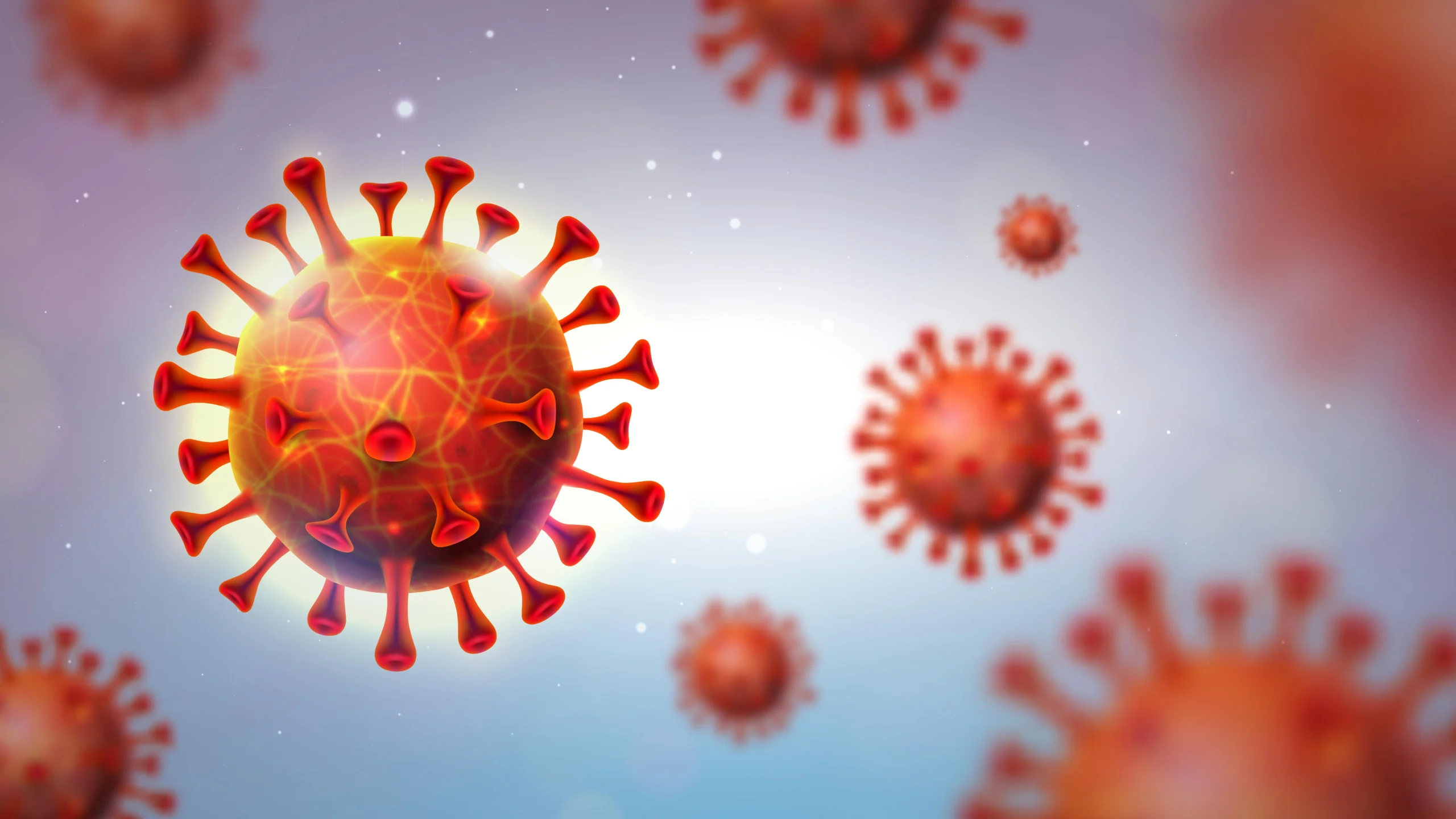
COVID-19 (COVID-19) is a coronavirus disease (SARS-CoV-2) that began spreading in late 2019 and has become a global pandemic, impacting the health, economy, and way of life of people around the world. Although the situation has eased somewhat, there are still infections in some areas, especially in high-risk groups such as the elderly, patients with chronic diseases, and those with low immunity.
Causes of the disease
Resulting from infection with the SARS-CoV-2 virus, a member of the coronavirus family.
COVID-19 symptoms can be categorized into three levels:
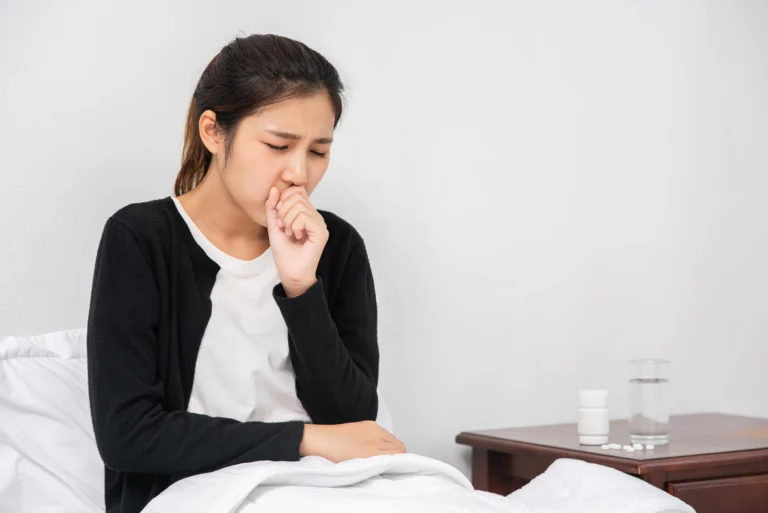
1. Mild symptoms: low fever, dry cough, mild fatigue, sore throat.
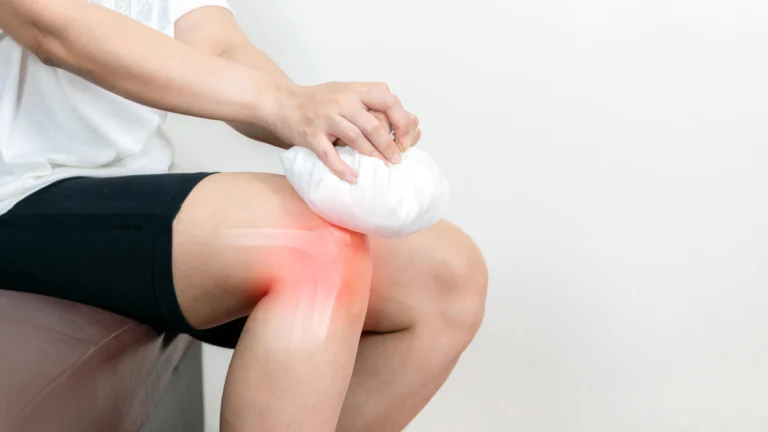
2. Moderate symptoms: high fever, muscle aches, rapid breathing or fatigue, loss of smell or taste.
3. Severe symptoms: difficulty breathing, rapid satiety, chest tightness, low blood oxygen (oxygen saturation below 94%), severe pneumonia, or respiratory failure.
Transmission
• Transmission through droplets from coughing, sneezing, or talking
• Touching a surface contaminated with the virus, then touching your mouth, nose, or eyes
• Crowded or poorly ventilated spaces increase the risk of transmission
How to prevent COVID-19:
• Wear a mask, especially when in public.
• Wash your hands frequently with soap and water or alcohol-based hand sanitizer for at least 20 seconds.
• Maintain a distance of at least 1-2 meters from others.
• Get all your vaccinations as scheduled and consider getting a booster shot as recommended.
• Avoid crowded or poorly ventilated areas.
Self-care guidelines for suspected COVID-19 infection:
• Immediately self-test with an ATK test if you have symptoms or have been in close contact with a patient.
• If the test result is positive (infected), self-isolate (home isolation) or see a doctor.
• Take medications as prescribed by your doctor, such as Favipiravir or other antiviral medications.
• Drink plenty of fluids, get adequate rest, and regularly check your temperature and oxygen level.
• If symptoms are severe, contact a hospital immediately.
High-risk groups requiring special precautions:
• Elderly (aged 60 and over)
• People with underlying medical conditions such as diabetes, high blood pressure, lung disease, or heart disease
• Pregnant women
• Young children, especially those under 5 years old
Recommendations from our hospital
Although COVID-19 has become “endemic” in many countries, it is still important to remain vigilant. Our hospital continues to provide services.
For more information, please call
02-769-2000.